Battery Energy Storage: A Central Component of Power Infrastructure
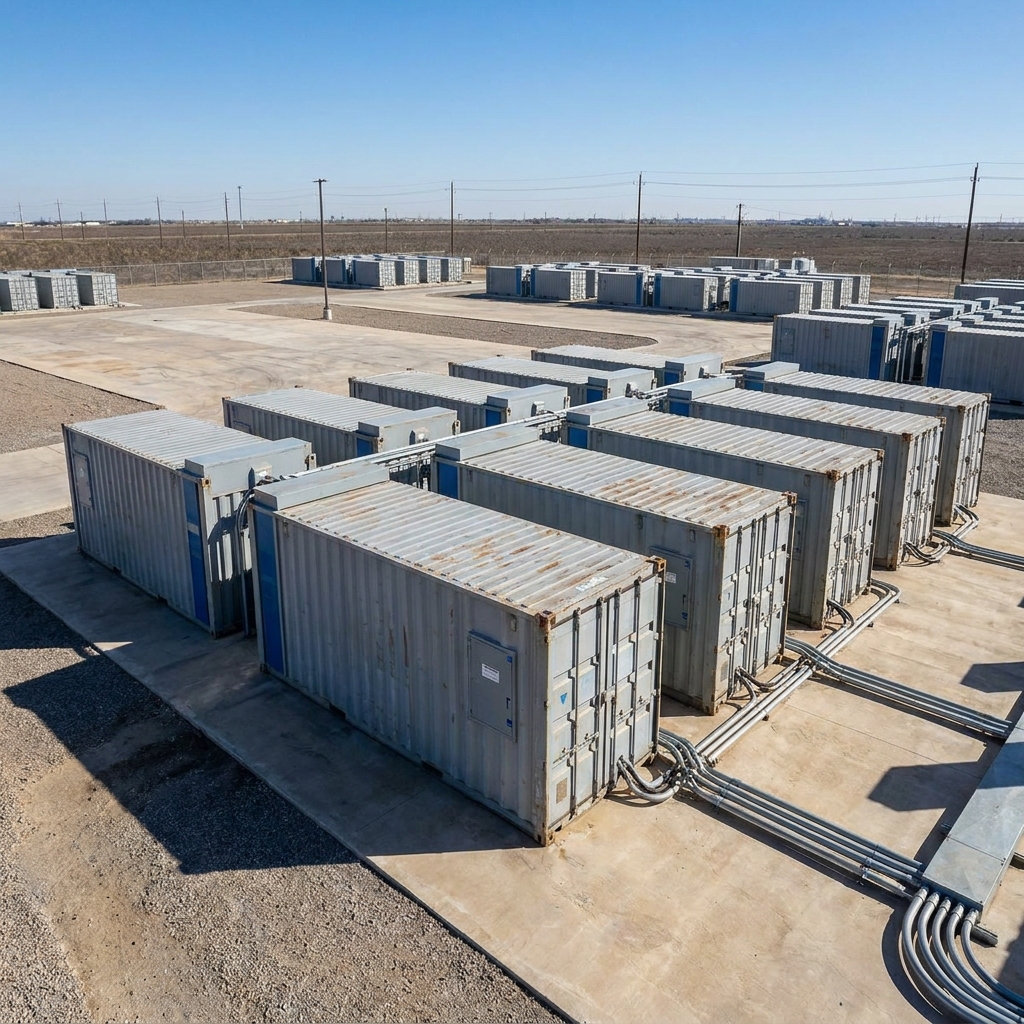
Battery energy storage is evolving from a supportive technology for renewable energy into a crucial element of modern power infrastructure. Utilities require flexibility to manage the increasing generation from solar and wind sources, while commercial and industrial facilities seek to lower demand charges, enhance backup power, and gain better control over electricity costs. Additionally, developers are constructing larger standalone battery projects to provide capacity, ancillary services, congestion relief, and energy shifting.
Market Growth and Trends in 2026
The latest market data indicates that the transition to battery energy storage systems (BESS) is accelerating. Global battery-storage additions reached 108 GW in 2025, with developers in the United States planning to add another 24 GW of utility-scale capacity in 2026. Europe is also moving towards larger projects, with utility-scale systems becoming the predominant segment of new battery installations.
Key BESS Trends for 2026
The leading trends in battery storage for 2026 include:
- Rapid utility-scale deployment
- Continued dominance of lithium iron phosphate (LFP)
- Longer-duration systems
- Grid-forming controls
- AI-driven power demand management
- Performance-based BESS tenders
- Supply-chain diversification
- Stricter safety requirements
- Enhanced operations and maintenance support
1. Utility-Scale BESS as the Growth Engine
A significant trend in 2026 is the shift towards utility-scale deployment, with approximately 80% of new global battery capacity installed in 2025 being utility scale. In Europe, large-scale systems accounted for 55% of new battery capacity, surpassing residential storage as the largest market segment. The United States is following suit, with large projects concentrated in high-growth areas like Texas, California, and Arizona.
2. Increasing Storage Duration
Traditionally, lithium-ion battery projects have been designed for one- to two-hour discharge durations. In 2026, more buyers are considering four-hour systems, with some markets exploring even longer durations. This shift is driven by the need to store midday solar generation and discharge it during longer evening peaks.
Storage Duration Applications
| Storage Duration | Common Applications |
|---|---|
| 1–2 hours | Frequency response, short peak shaving, fast reserves |
| 2–4 hours | Solar shifting, capacity services, energy arbitrage |
| 4–8 hours | Extended evening peaks, congestion relief, renewable firming |
| 8+ hours | Long-duration storage and multi-day system flexibility |
3. Dominance of LFP Technology
Lithium iron phosphate (LFP) remains the leading chemistry for stationary battery storage, accounting for approximately 90% of global deployment in 2025. LFP is favored for its competitive cost, high cycle life, and strong thermal stability. However, buyers should consider factors beyond chemistry, such as cell quality and system controls.
4. Importance of Grid-Forming Controls
Battery storage systems are increasingly expected to provide advanced functionalities beyond basic charging and discharging. Grid-forming systems can establish voltage and frequency references, supporting weaker grids and renewable-heavy networks.
5. Demand from AI and Data Centres
The rapid growth of artificial intelligence and data-centre infrastructure is creating new electricity demand challenges. Battery systems can support these facilities by providing backup power, renewable-energy integration, and peak management.
6. Performance-Based Battery Storage Tenders
Utility-scale battery storage tenders are becoming more sophisticated, focusing on usable capacity, efficiency, and safety documentation rather than just equipment cost.
7. Supply-Chain Localization
In 2026, supply-chain localization is influencing procurement strategies, with buyers paying closer attention to component origins and manufacturing capacities.
8. Enhanced Safety and Permitting Requirements
As BESS projects increase in number and size, safety and permitting are becoming critical factors. Systems must address thermal runaway detection, fire safety, and emergency response planning.
9. Operations and Maintenance (O&M) Focus
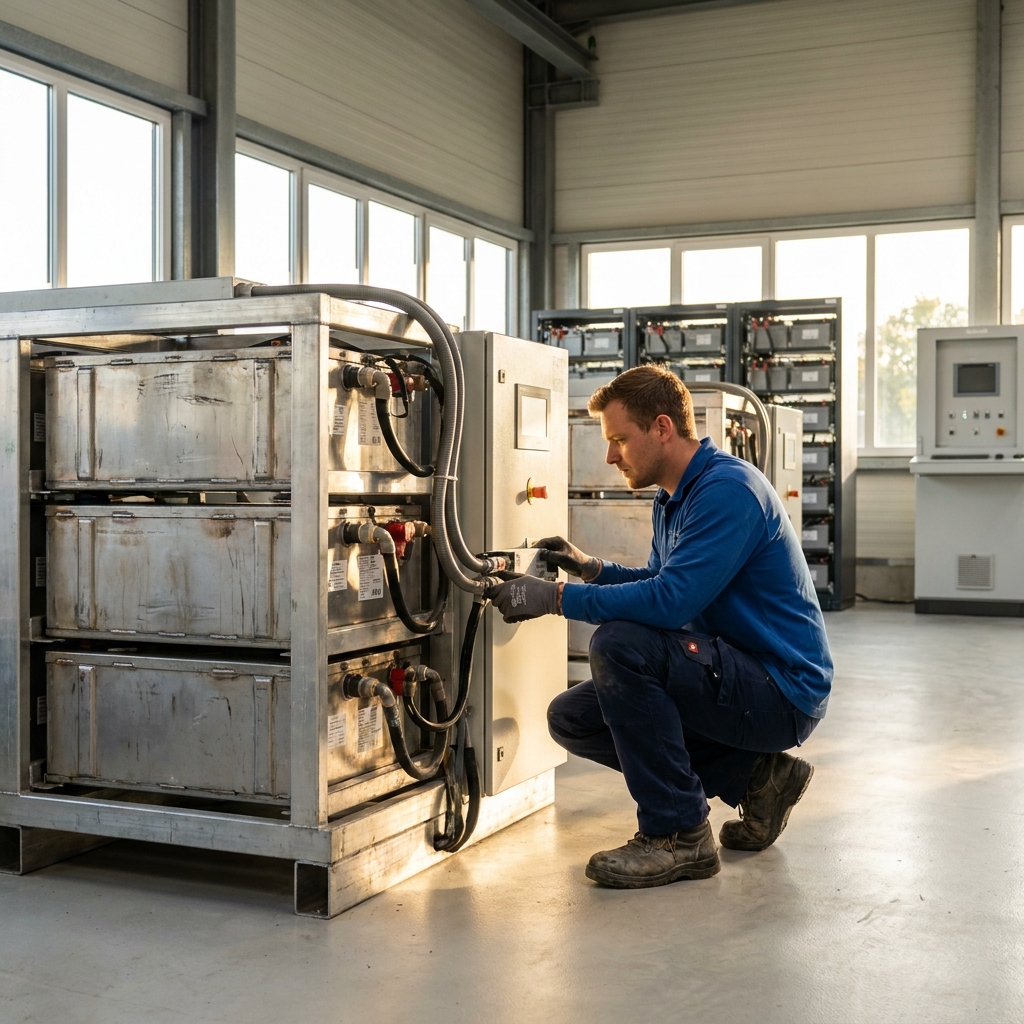
O&M is becoming a core requirement for BESS projects, with ongoing monitoring and maintenance essential for system performance and longevity.
10. Integrated Commercial Energy Storage
Commercial energy storage is trending towards integrated systems that combine batteries, power conversion systems, and energy management systems in compact designs.
Conclusion: Preparing for the Future of BESS
The 2026 market presents a wealth of options for buyers, but also increased complexity. It is essential to define applications clearly, compare usable capacities, and consider total lifecycle costs to ensure successful project outcomes.